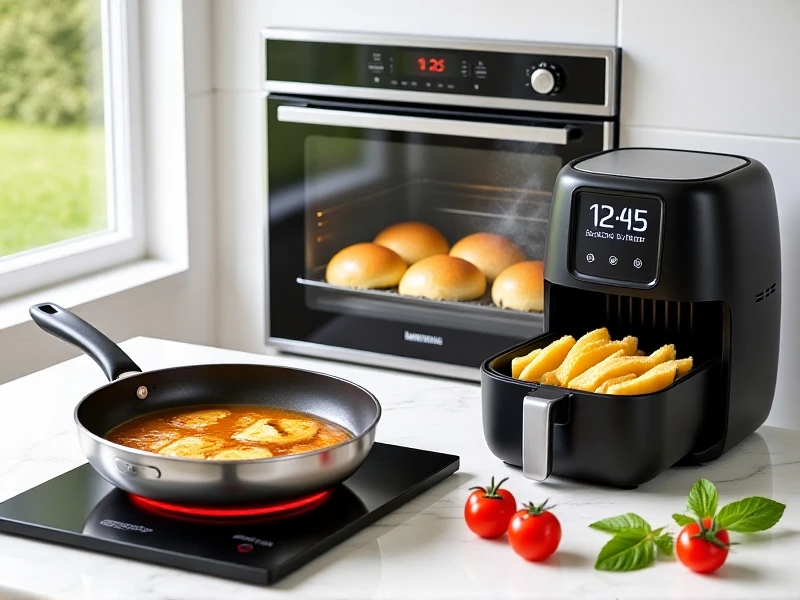
Select Your Perfect Oven: Key Purchase & Usage Tips
Finding the ideal oven for your kitchen empowers you to cook with confidence and unlock culinary creativity. With diverse options like gas, electric, and convection ovens available, understanding the differences is crucial for making the right investment. Each oven type offers distinct advantages to suit various cooking styles and needs.
Exploring Oven Types Gas ovens provide instant heat adjustment and consistent moisture, often preferred for roasting and baking with traditional results. Electric ovens deliver precise, even heating and tend to excel at consistent baking temperatures. Convection ovens, either gas or electric fan-assisted, circulate hot air rapidly, significantly reducing cooking times, promoting even browning, and excelling at multi-rack cooking – perfect for busy households and large meals.
Key Considerations Before Buying
- Size & Capacity: Carefully measure your available space, considering height, width, and depth. Choose an oven capacity (measured in cubic feet) that aligns with your typical cooking volumes. Don't underestimate the value of a well-fitting oven!
- Self-Cleaning: Pyrolytic ovens incinerate spills at very high temperatures (requiring extra cooling time), while catalytic liners continuously absorb splatters. Steam cleaning offers a quicker, lower-temperature option. Factor in convenience and budget.
- Features: Smart connectivity, probe thermometers, specialized cooking modes (like pizza or dehydrate), and intuitive controls enhance the cooking experience but impact cost. Prioritize features you'll genuinely use.
Mastering Oven Safety & Efficiency Safety is paramount. Keep flammable items like towels, paper, or plastic away from the oven, especially when preheating or during use. Never leave cooking unattended for long periods. Ensure the oven door seals correctly to maintain temperature and efficiency. Use oven mitts rated for high heat when handling hot racks and trays.
Optimal Oven Usage
- Preheating: Always preheat your oven unless the recipe explicitly states otherwise. This guarantees accurate cooking times and better results, especially for baking.
- Rack Placement: Position matters! Referenced recipes are calibrated for specific rack positions (top, middle, bottom). Placing food too close to the heating element can cause burning. Convection ovens often require lowering the temperature by 25°F or adjusting cook time.
- Oven Monitoring: Utilize the oven light and look through the window instead of frequently opening the door. Each opening significantly drops the internal temperature, extending cooking time. Invest in an affordable oven thermometer for accuracy.
Maintaining Your Oven Regular cleaning is essential beyond self-cleaning cycles. Wipe spills promptly after the oven cools. Regularly clean oven racks using appropriate methods. Check and clean vent areas to ensure proper airflow. Maintaining your oven guarantees consistent performance and longevity.
Choosing the right oven type and understanding its features empowers you to cook smarter. By following safety protocols, mastering usage techniques, and committing to maintenance, your oven becomes a reliable cornerstone of your kitchen for delicious meals every time.